Blog
Efficiency Meets Innovation: The Role of Prefabrication in Structural Engineering
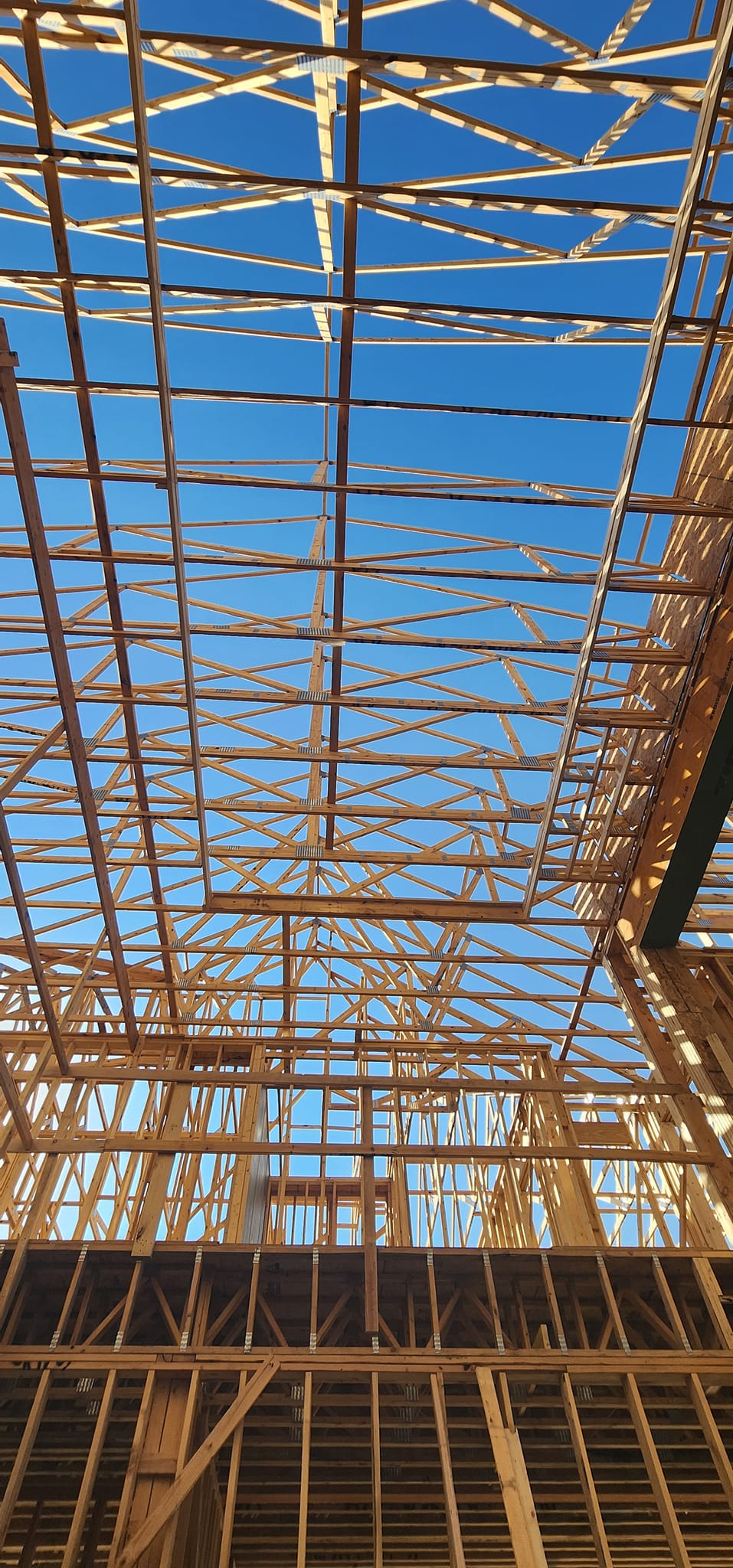
Prefabrication, at its core, involves manufacturing structural components in a controlled factory environment prior to being transported to the construction site for assembly. This method is reshaping the traditional construction processes, offering unprecedented efficiency and innovation. Let's delve into why prefabrication is gaining such traction within structural engineering.
The primary advantage of prefabrication lies in its ability to streamline construction timelines. By shifting a significant portion of the work offsite, the typical on-site construction challenges such as weather delays or labor shortages are minimized. Components are constructed in parallel with site preparation, enabling multiple phases of a project to occur simultaneously. This accelerated timeline often leads to earlier project delivery, which is a substantial benefit for contractors and clients alike.
Another compelling reason many structural engineers advocate for prefabrication is the enhanced precision and quality control it offers. In the controlled environment of a factory, engineers can ensure that each component is manufactured to exact specifications, reducing the likelihood of on-site errors. This mitigated risk translates into cost savings, as fewer resources are needed to correct mistakes.
Cost-efficiency is a crucial factor driving the adoption of prefabricated components. Although there is an upfront investment for the prefabrication process, the long-term savings outweigh initial costs. Reduced labor on-site, minimized waste, and fewer errors contribute to overall lower project expenses. Moreover, prefabrication often allows for the use of advanced design technology, such as 3D modeling, to precisely plan each phase of the project, further optimizing the budget.
Sustainability is another realm where prefabrication shines. By producing components in a factory setting, waste is significantly reduced compared to traditional methods. Additionally, controlled manufacturing environments can utilize more sustainable materials and practices, which aligns with growing demands for eco-friendly construction solutions. Prefabrication also supports the construction of buildings with better energy efficiency, promoting greener urban developments.
Yet, prefabrication is not without challenges. Coordination and communication are key, as all stakeholders must be aligned early in the project to determine which components will be prefabricated. The design and planning phases demand thorough attention to detail to ensure that all elements fit seamlessly once transported to the site. Nevertheless, firms like Allard Structural Engineering and Consulting are well-equipped to navigate these complexities, ensuring that prefabricated methods are seamlessly integrated into structural projects.
At Allard Structural Engineering and Consulting, we are committed to incorporating innovation into our engineering practices. Prefabrication represents an exciting frontier in the world of structural engineering, providing efficiency without sacrificing quality. As industry leaders, we not only embrace these changes but actively guide our clients in leveraging these advantages for successful project outcomes.
In conclusion, prefabrication is transforming the structural engineering industry with its unparalleled blend of efficiency, innovation, and sustainability. By adopting prefabrication practices, Allard Structural Engineering and Consulting remains on the cutting edge, delivering value to our clients while shaping the future of construction. Whether you are looking to reduce costs, minimize environmental impact, or accelerate your project's timeline, prefabrication offers a viable path forward, setting a new standard for excellence in structural engineering.